

Problems With Puggles
Heavy Shedding
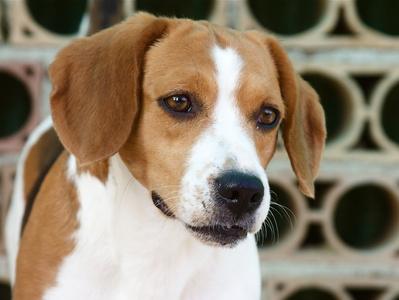
The puggle has a coat that is easy to care for, but it does have thick fur that sheds heavily, especially during the warm months. Weekly brushing is necessary to ensure that all of the loose hair is shed. Though the puggle’s coat is not very long, it is not considered a hypoallergenic dog and is a poor choice for people with allergies.
Sensitive to Climate Change
Puggles are sensitive to climate changes due to their pug ancestry. They cannot tolerate overheating, and when the weather turns chilly they are prone to catching colds. They can also be sensitive to humid climates, and taking them outdoors in extremely hot or cold weather can tire them or cause illness.
Respiratory Problems
The puggle was bred to have a longer muzzle than the pug, and though they do not have the same extreme respiratory issues that fully brachycephalic pugs do, some puggles do have breathing problems. These issues may be limited to snoring or they may reverse-sneeze or wheeze after they have exerted themselves. Due to their beagle lineage they are extremely energetic, and they may want to play more than is good for them, which can exacerbate their breathing problems. Nostril enlargement and palate trimming surgery can work wonders for brachycephalic dogs like pugs and puggles.
Barking
Unless they are well-trained, puggles can be loud dogs. They are alert and will tend to bark to announce strangers or visitors to the home, though their friendliness prevents them from being good guard dogs. Some puggles may also howl, a trait that is common in beagles. Early training is essential to make sure that a puggle does not turn into a noisy nuisance.
Skin Infections
Some puggles, especially the ones that have more wrinkles in their face, are prone to skin infections. While a puggle’s muzzle is not as short and wrinkled as the muzzle of a pug, the wrinkles in its face still need to be cleaned on a regular basis. Dirt and debris can get caught in the wrinkles, which will abrade the skin and sometimes develop into a fungal and/or bacterial infection. Skin infections can be avoided by cleaning the wrinkles with a damp cloth once a day. You can use a gentle liquid cleaning and drying agent specially for this purpose.
What Is the Average Life Expectancy of a Chinese Pug Puppy?
Helping Your Pug Live a Long Life
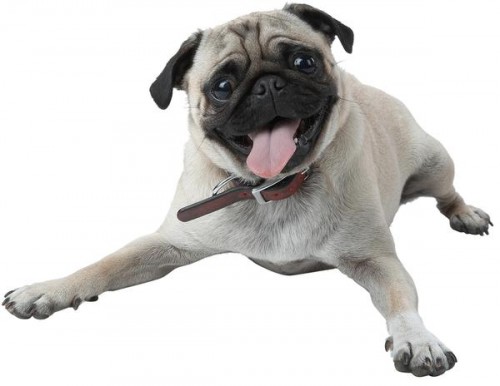
One important fact to keep in mind, according to PetMD.com, is that pugs are “prone to major health problems,” particularly in terms of the skin and respiratory system. Therefore, to help your pug live a long life, it is necessary to keep a watchful eye on your pug’s physical well-being. Regular visits to the vet are critical, nails should be kept short, eyes and ears should be kept clean, and the face, particularly the “nose roll,” should be washed every day.
More Health Tips
Diet, too, is extremely important. Pugs love to eat and, as a result, many pugs become overweight. Overeating and excessive weight may present serious problems. Overfeeding should be avoided. Also, pugs are very sensitive to temperature extremes. This means that your pug should be kept as cool as possible in the hotter months and should not be exposed to frigid weather for extended periods of time. Being conscientious about health means a higher likelihood of a happy 12 to 18 years.
Health Issues in a Silky Terrier
Eye Diseases
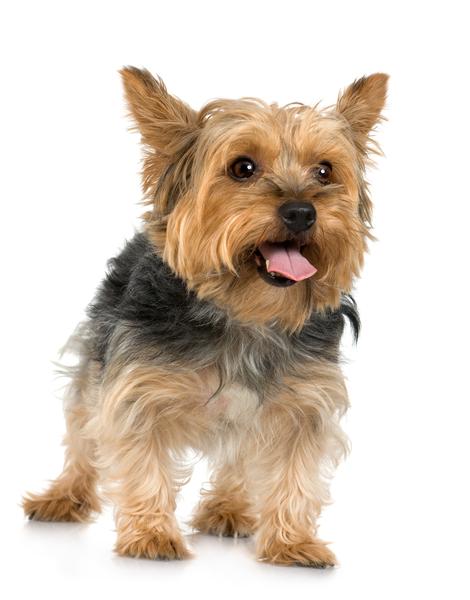
Silky terriers are prone to certain eye disorders, including progressive retinal atrophy (PRA) and cataracts. PRA develops gradually, but eventually results in total blindness. Early signs include inability to see in weak light, characterized by walking into objects and unwillingness to go outdoors at night. Eventually, the eyes develop cataracts, or opaque white areas around the pupil. Silky terriers can also develop cataracts without PRA. There is no treatment for PRA, but most dogs adjust to their loss of vision, with help of dedicated owners. Dogs suffering only from cataracts can have them surgically removed.
Silky Terrier Endocrine Diseases
Hypothyroidism, or insufficient amounts of thyroid hormone, can affect silky terriers. Symptoms include weight gain although the dog isn’t eating more food, behavioral changes, hair loss and dull coat and skin infections. The lively silky terrier becomes lethargic. Fortunately, your vet can prescribe daily thyroid medication to restore your silky terrier to health. Another endocrine disorder, Cushing’s disease, or hyperadrenocorticism, also occurs in older silkies. In this condition, the dog’s adrenal glands produce excess cortisol. Symptoms of Cushing’s disease resemble those of hypothyroidism, along with excessive eating and drinking. Your vet can prescribe medication for disease control.
Orthopedic Issues
Leggs-Calve-Perthes disease, a common hereditary orthopedic condition in small breed dogs, often occurs in the silky terrier. Initial signs consist of rear leg lameness in a young animal. With this condition, the blood supply to the femur’s head is inadequate, leading to its necrosis. Treatment consists of surgery to remove the “dead head.” Patellar luxation, or dislocated kneecaps, frequently affect small breeds and the silky terrier is no exception. Most dogs require surgery to correct the dislocation.
Silky Terrier Epilepsy
Some silkies might suffer from epilepsy, a neurological disorder resulting in seizures. Such episodes are terrible to watch, as affected dogs lose balance and fall over, often with legs flailing, body shaking and teeth biting at the air. Most seizures last just a minute or so, with those in excess of five minutes often causing some permanent damage. Depending on the frequency of the seizures, your vet might prescribe phenobarbital or potassium bromide for prevention and control.
Daily Grooming for an English Bulldog
Brushing
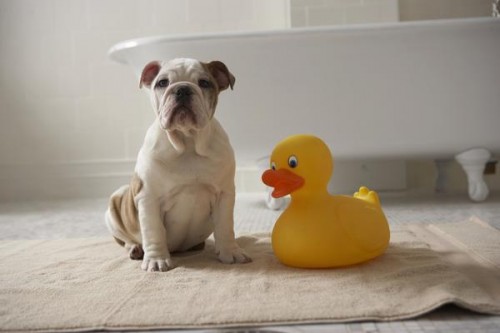
An English bulldog should be brushed at least three times per week, especially when the dog is shedding its hair in the spring and summer. Do the brushing with a soft bristle or rubber brush, first against the grain of the hair and then with the grain.
Washing
Although a bath doesn’t have to be a daily procedure, it is good to wash your bulldog often. Block the dog’s ears with cotton balls before the bath and apply drops of mineral oil to its eyes. Then wash the dog with water and mild soap, or with a pH-balanced pet shampoo. Lather everywhere, including between the toes and under the tail and genitals. Rinse the soap off well and dry the dog with a towel.
Ear Care
English bulldogs have sensitive ears that need to be carefully cleaned to avoid damaging them. You can do this with a warm washcloth, cotton ball or, if done very carefully, a cotton swab. It is also possible to buy a solution from a veterinarian made specifically to clean the dog’s ears.
Face Care
English bulldogs have wrinkly faces; they require special cleaning that, in some cases, has to be done daily. The older the dog becomes, the more wrinkles it has. Rub the dog’s wrinkles with petroleum jelly to keep the skin soft. Clean them with a wet cloth or baby wipes and then dry them well. The nose wrinkle is particularly important, and may require the application of diaparene ointment, a form of zinc oxide.
Veterinary Advice on Homemade Dog Food
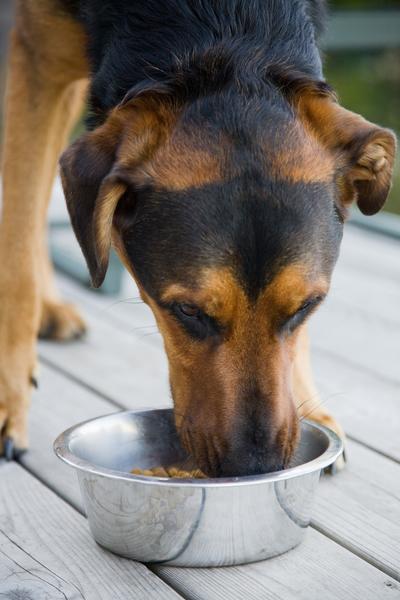
Necessities
Commercial dog foods contain the proper balance of nutrients for your pet. That balance is something you must employ when making your own meals for Fido. According to WebMD.com, homemade dog foods must contain a protein and carbohydrate source, the correct amount of vitamins and minerals, along with a small amount of fat. Once you find the right recipe, keep making and feeding it to your dog, rather than constantly switching ingredients. Good protein sources include chicken, turkey, lamb or hamburger, along with boned fish. You can also use eggs and low-fat cottage cheese as a protein sources. Sources of carbohydrates include rice, potatoes and pasta. You can offer your dog cooked green beans, peas and carrots.
Supplements
Read the ingredients list on a commercial dog food can or package. It likely contains all kinds of vitamin and mineral supplements. Webvet recommends purchasing supplements containing micronutrients “essential for maintaining pet health and almost certainly missing from your ingredient list.” Dr. Michael Fox suggests kelp or spirulina added to your dog’s food a few times a week.
Foods to Avoid
Although a raw meat diet is popular in some quarters, as that’s what the domestic dog’s wild canine ancestors ate, most veterinarians don’t endorse it. That’s because raw meat can contain bacteria that’s destroyed when cooking, including salmonella and E. coli. Other foods to avoid include onions, garlic, grapes, raisins and macadamia nuts, all of which can be toxic to canines. Chocolate is also a no-no, in case you’re tempted to give your dog dessert after his home-cooked meal.
Sample Recipe
The California-based Founders Veterinary Clinic offers a sample recipe for feeding a 20-pound canine. It consists of 1/4 pound of skinless chicken; 1 cup cooked brown rice; 1/2 to 1 pound of peas and carrots; 1/4 teaspoon of potassium chloride, used as a salt substitute; 1 tablespoon of vegetable oil; 250 milligrams of calcium citrate and a daily multiple vitamin supplement. For a 10-pound dog, cut the ingredients in half, while doubling them for a 40-pound animal.
Asian Dog Breeds
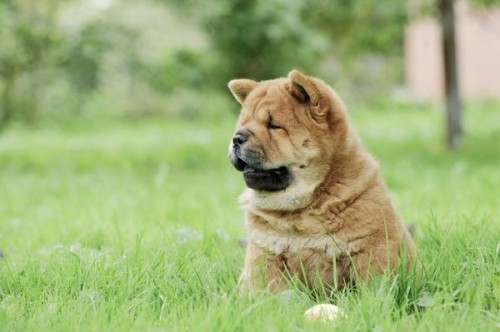
Small Breeds
If you looking for a dog who can’t shed — because it doesn’t have hair — consider the Chinese crested. There’s also a variety with hair, known as the powderpuff. These small, affectionate dogs mature between 11 and 13 inches tall at the shoulder. The Pekingese sports lot of hair. This brachycephalic, or short-nosed, breed was prized by Chinese royalty. Under AKC standards, adult Pekingese can’t exceed 14 pounds. The lhasa apso hails from Tibet, where he was known as the “barking lion sentinel dog.” An excellent watchdog, this long-haired canine matures between 10 and 11 inches high, weighing between 12 to 18 pounds. The shih tzu, possibly resulting from a cross between the Pekingese and the lhasa apso, makes a fine companion but his long coat requires considerable maintenance. Full-grown shih tzus weigh between 9 and 16 pounds, standing between 8 and 11 inches high. The Japanese chin actually originated in China. This good-natured little dog, also a brachycephalic breed, matures between 8 and 11 inches high.
Medium Size Breeds
Once known as the holy dogs of Tibet, Tibetan terriers make good companions and watch dogs. Adult Tibetan terriers stand between 14 and 17 inches tall and weigh between 18 and 30 pounds. The Shiba Inu was bred as a hunting dog in Japan and requires a lot of exercise. When full grown, he weighs between 17 and 23 pounds and stands 13.5 to 16.5 inches tall.
Large Breeds
In his native Japan, the Akita is well known as a hunting and working dog. A superb guard dog, the Akita is best paired with an experienced dog owner. This double-coated breed matures between 24 and 28 inches high. The chow chow served as an all-purpose working dog in his native China. Besides his thick double coat, this breed is noted for his black tongue. Chow chows stand between 17 and 20 inches tall at maturity. The wrinkly Chinese shar-pei is among the most unusual looking dog breeds. Their wrinkles require regular cleaning to prevent skin infection. Shar-peis weigh between 45 and 50 pounds at maturity, standing between 18 and 20 inches tall. While the Korean jindo makes a good guard dog, his strong prey drive makes him unsuitable for sharing a household with cats or small canines. Jindos mature between 30 and 50 pounds and stand between 18 and 22 inches tall. The tremendous Tibetan mastiff was born to guard and is extremely protective of his person. Full grown, these dogs stand at least 24 to 26 inches tall, although they can be larger.
Did American Dogs Originate in Asia?
It’s possible that American dog breeds have Asian roots. In a 2013 study published by the Royal Society of Biological Sciences, researchers found that many “American” dog breeds, including those as varied as the Chihuahua, sled dogs and xoloitzcuintli, or “Mexican hairless,” share DNA with Asian canines. Scientists speculate that the ancestors of these dogs accompanied humans across a long ago land bridge linking North America and East Asia.
The Power of Training Dogs With Markers
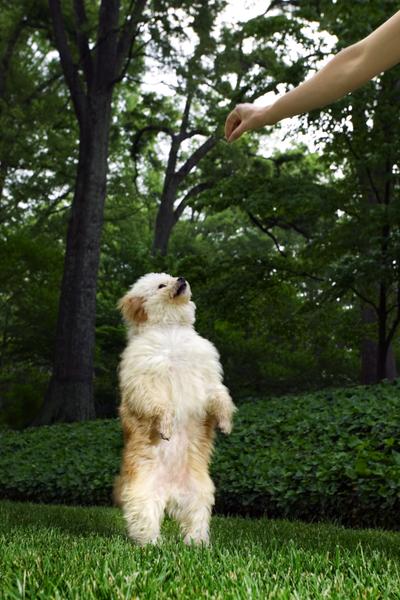
Motivating Your Dog
At the core of marker training is the knowledge that dogs will do what works to obtain the things they need. Food, water, attention, play and movement are just a few of these things. Using these resources as rewards, marker training motivates dogs to try different behaviors and skills until they find the one that works to obtain what they need or want. Because of this, we can teach dogs by focusing on the behaviors we like and rewarding them.
Removing the Confrontation
Marker training removes confrontation from the relationship between owner and dog. There is no use of force and no need to corner a dog into a response. Instead, marker training allows the dog to think independently and try new skills. Rather than control his dog’s every move, the owner can encourage the dog to make good choices. On occasion, trainers use a “no reward” marker to let the dog know the behavior was not worthy of a reward. Examples of no reward markers are phrases such as “wrong” or “try again” said in a relaxed, friendly tone to provide feedback, not to scold. However, removal of the reward, rather than introduction of the no reward, is often all that is needed to reduce an unwanted behavior.
Choosing a Marker
The most commonly used marker is the clicker, a small device with a metal tongue that makes a clicking sound when depressed and released. Speaking in more general terms, markers include words such as “yes!” and “good!” or short whistle bursts when working at long distances outdoors. When working with deaf dogs, many trainers have used vibration collars or laser pointers. Be careful with laser pointers, though, as these can excite dogs and trigger behavior problems. Whatever marker you choose, you must initially properly pair it with food treats so it has meaning to your dog. To do this, present the marker and immediately follow with a treat. Repeat until your dog is looking at you each time he hears the marker.
Consistent and Clear Communication
The biggest benefit to marker training is that it provides clear and consistent communication between owner and dog. Once the marker is charged, the dog knows that each mark means he gets a reward. Hence, this becomes an effective way for the owner to tell his dog which behaviors he likes. Using a camera analogy, each time the owner marks, the dog files a mental photo of what he did that earned that mark. And since dogs do what works, the dog will repeat behaviors that earn marks and abandon behaviors that do not.
Kathy Sdao’s SMART x 50
There is an easy method for applying marker training in daily life with your dog. Simply use the “SMART x 50” method developed by marine mammal and dog trainer Kathy Sdao. In her book, “Plenty in Life is Free,” Sdao describes how she developed this method for owners who did not have the time for formal, daily training sessions. SMART stands for See Mark And Reward Training. Count out 50 or more treats for each day. You can use part of your dog’s daily kibble if weight control is a concern. Then, each time your dog does something you like, for example going to his mat when the doorbell rings or sitting when approaching a stranger, mark happily with a word like “yes” or “good” and offer a treat. This method shifts your focus from what your dog is doing wrong to what your dog is doing right, and offers useful feedback to your dog as to what works.
Focusing on the Positive
Focusing on the positive builds a relationship based on trust, respect and fun with our dogs. No longer do we need to scare or physically harm our dogs in the name of training. Instead, guide your dog into making the right choices everyday, reward those choices with food or play and watch inappropriate behaviors disappear.


|
A New Free Course on Dog Grooming Reveals the Secret Step-by-Step Techniques used by the best Dog Groomers in the country!
Finally, You Can Now Groom your Dog on your own at home without having to hire an expensive groomer! |